
 News & Insights

This month’s edition provides a focused review of newly approved and recently launched therapies. Expion Health monitors these developments closely to assess clinical relevance, therapeutic positioning, and potential implications for payers, providers, and patients.
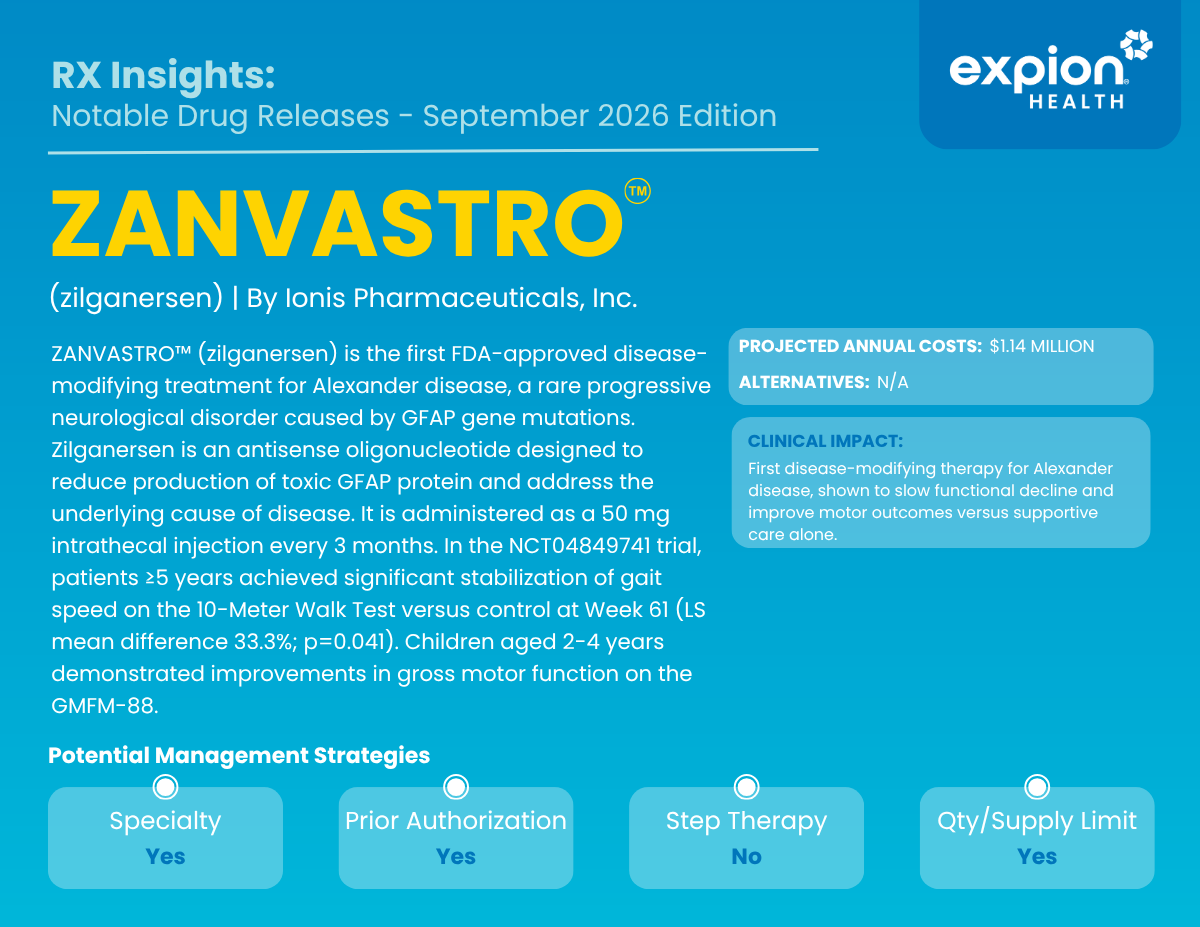
ZANVASTRO
Indication
ZANVASTRO (zilganersen) is an antisense oligonucleotide indicated for the treatment of Alexander disease in pediatric and adult patients.
Dosage and Administration
The recommended dose is 50 mg administered intrathecally every 3 months following dilution. ZANVASTRO is administered via lumbar puncture as a bolus injection over 1–3 minutes by or under the direction of a healthcare professional experienced in lumbar punctures. The needle or attached extension catheter should not be flushed after administration.
Warnings and Precautions
ZANVASTRO may cause aseptic meningitis. Patients developing symptoms consistent with aseptic meningitis should undergo appropriate diagnostic evaluation and treatment according to standard clinical practice.
Mechanism of Action
ZANVASTRO is an antisense oligonucleotide that binds to glial fibrillary acidic protein (GFAP) pre-mRNA, promoting its degradation and reducing GFAP protein synthesis. This mechanism targets the underlying abnormal protein accumulation associated with Alexander disease.
Disease Background
Alexander disease is an ultra-rare, progressive neurological disorder affecting fewer than 1 in 1 million people. It is a type of leukodystrophy caused by mutations in the GFAP gene, leading to abnormal protein accumulation in supportive brain cells and progressive nervous system damage. Symptoms may include seizures, developmental regression, difficulty walking, muscle weakness, and increased intracranial pressure.
Clinical Data
The efficacy and safety of ZANVASTRO were evaluated in a multicenter, randomized, controlled study (NCT04849741) involving 49 patients aged 2 years and older with Alexander disease. In patients aged 5 years and older, ZANVASTRO demonstrated statistically significant stabilization of gait speed at Week 61, with a 33.3% least-squares mean difference versus control on the 10-Meter Walk Test (p=0.041). Children aged 2–4 years demonstrated improvements in gross motor function compared with declines in the control group. Additional supportive findings were observed in four patients younger than 2 years. Secondary outcomes, including adaptive functioning, communication, gastrointestinal symptoms, sleep, and seizure-related measures, generally favored ZANVASTRO, supporting its potential to slow disease progression and preserve functional abilities.
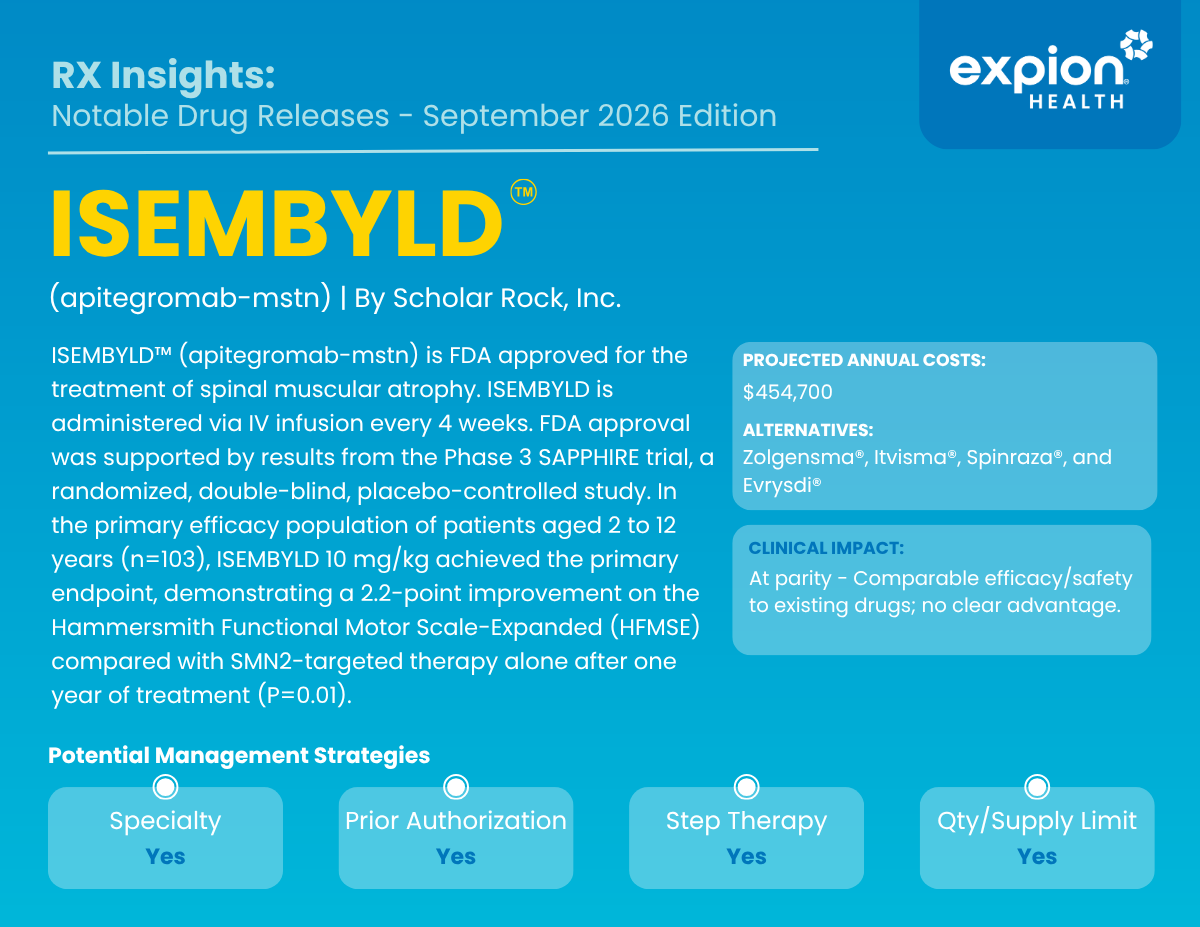
ISEMBYLD
Indication
ISEMBYLD is FDA-approved for the treatment of spinal muscular atrophy (SMA) in adults and pediatric patients aged 2 years and older who are currently receiving a survival motor neuron 2 (SMN2)-targeted therapy.
Dosage and Administration
ISEMBYLD is administered as an intravenous infusion over 1–2 hours every 4 weeks. If a dose is missed, it should be administered as soon as possible, with subsequent doses scheduled every 4 weeks thereafter.
Warnings and Precautions
ISEMBYLD may cause serious adverse reactions, including bone fractures. Common adverse reactions include upper respiratory tract infections, vomiting, cough, viral infections, headache, gastroenteritis, sore throat, and hypersensitivity reactions.
Mechanism of Action
ISEMBYLD inhibits myostatin, a protein that regulates and limits skeletal muscle growth. By blocking myostatin activity, ISEMBYLD supports muscle maintenance and may improve muscle strength and motor function in patients with SMA.
Disease Background
Spinal muscular atrophy (SMA) is a rare, inherited neuromuscular disorder caused by mutations in the SMN1 gene, resulting in progressive motor neuron degeneration and muscle weakness. Affecting approximately 1 in 10,000 infants, SMA is a leading genetic cause of infant mortality. Disease severity varies by subtype, with symptoms ranging from mild muscle weakness to significant motor impairment. Existing treatments, including gene therapies and SMN-targeted medications, address the underlying genetic deficiency, while ISEMBYLD offers a complementary approach targeting muscle function.
Clinical Data
FDA approval was supported by a randomized, placebo-controlled study (NCT05156320) involving 188 patients aged 2–21 years with 5q SMA who were receiving nusinersen or risdiplam. Participants received ISEMBYLD 10 mg/kg, 20 mg/kg, or placebo every 4 weeks. Among children aged 2–12 years, those receiving the recommended 10 mg/kg dose demonstrated a 2.2-point greater improvement in Hammersmith Functional Motor Scale–Expanded (HFMSE) scores compared with placebo at 12 months. Additionally, 34.2% of ISEMBYLD-treated patients achieved an improvement of at least 3 points versus 13.5% with placebo, demonstrating improvements in motor function when added to existing SMN-targeted therapy.
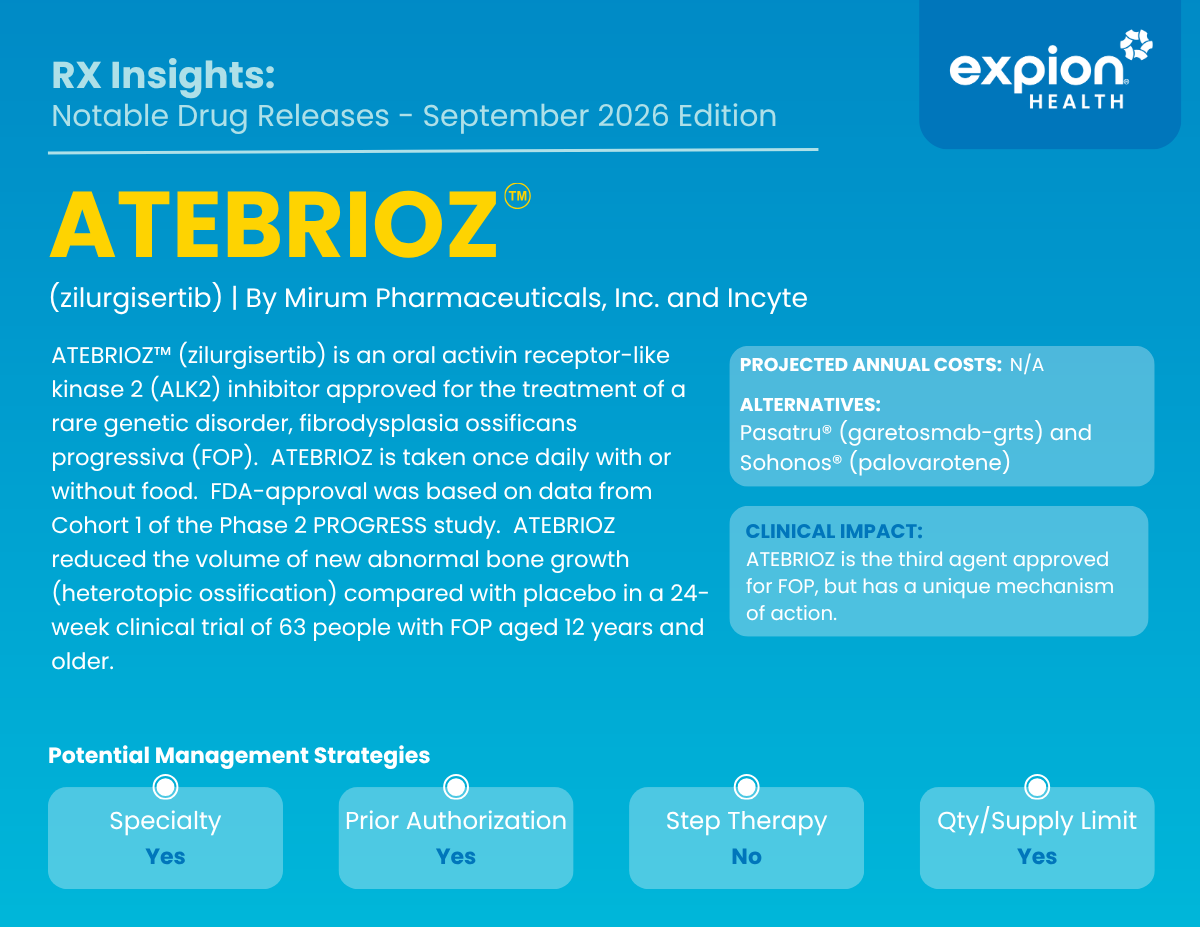
ATEBRIOZ
Indication
ATEBRIOZ is FDA-approved for the treatment of fibrodysplasia ossificans progressiva (FOP) to reduce new abnormal bone formation outside the skeleton, known as heterotopic ossification (HO).
Dosage and Administration
ATEBRIOZ is administered orally once daily, with or without food. Tablets may be crushed and mixed with water, orange juice, applesauce, or yogurt. Patients should avoid grapefruit, pomelo, and juices containing these fruits during treatment.
Warnings and Precautions
ATEBRIOZ may cause serious adverse reactions, including embryo-fetal toxicity and birth defects. Common adverse reactions include headache, joint pain, upper respiratory tract infections, sinus infections, sore throat, nosebleeds, and nausea. Less common reactions include gastroenteritis, gastroesophageal reflux disease, iron deficiency anemia, rash, and alopecia.
Mechanism of Action
ATEBRIOZ inhibits activin receptor-like kinase 2 (ALK2), a receptor that is abnormally activated in patients with FOP. By blocking ALK2 signaling, ATEBRIOZ reduces abnormal bone formation in soft tissues outside the skeleton.
Disease Background
Fibrodysplasia ossificans progressiva (FOP) is an ultra-rare genetic connective tissue disorder affecting approximately 400 individuals in the United States. It is characterized by progressive heterotopic ossification, in which bone forms within muscles, tendons, ligaments, and other soft tissues. This abnormal bone growth causes joint stiffness, restricted movement, and eventual joint fusion (ankylosis), resulting in progressive loss of mobility and function.
Clinical Data
FDA approval was supported by Cohort 1 of the Phase 2 PROGRESS study involving 63 patients with FOP. At Week 24, patients receiving ATEBRIOZ demonstrated a mean reduction of 3.2 cm³ in total new heterotopic ossification lesion volume, compared with an increase of 24.6 cm³ in the placebo group. During the open-label extension, no new HO lesions were observed in patients continuing ATEBRIOZ or those who switched from placebo to active treatment. Additional cohorts are evaluating ATEBRIOZ in younger pediatric patients to support a potential expanded indication.
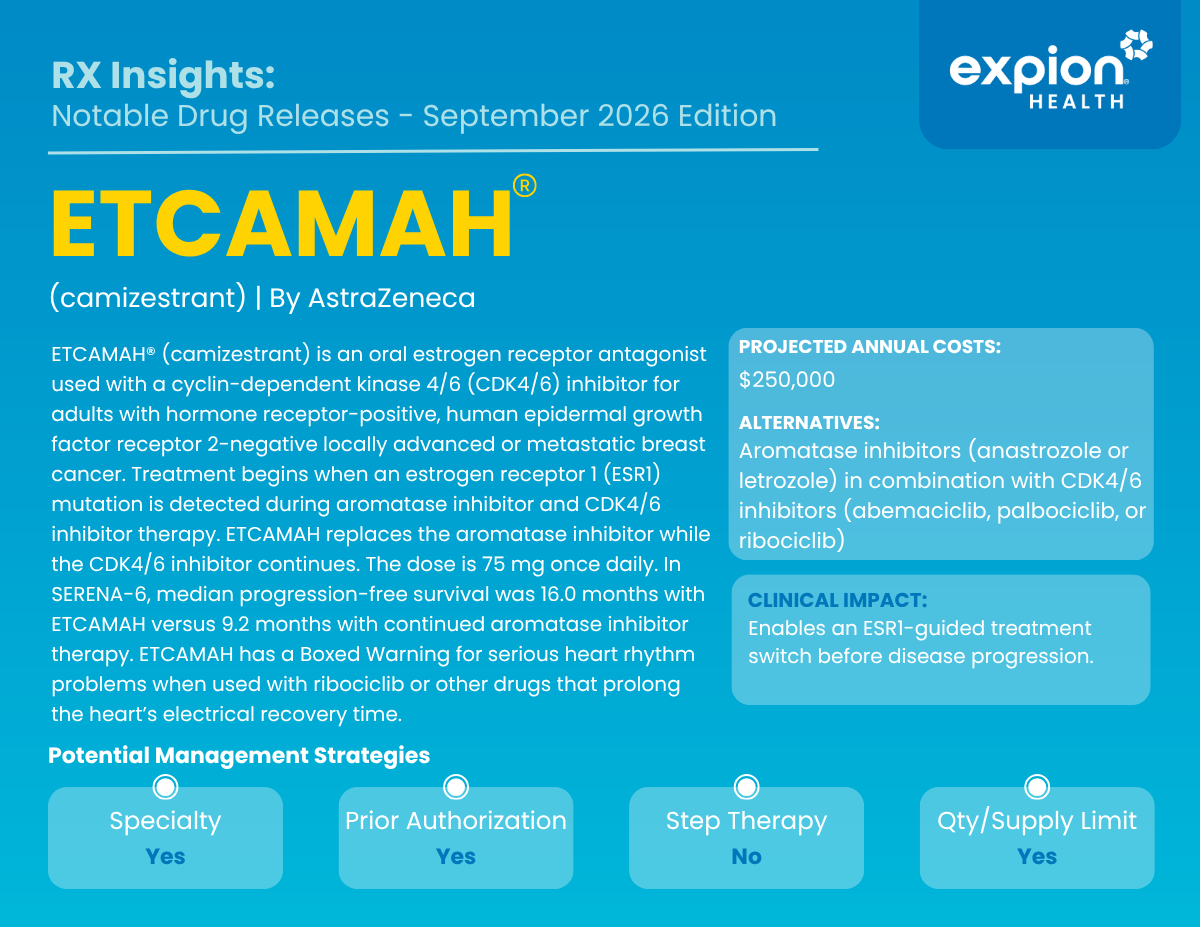
ETCAMAH
Indication
ETCAMAH (camizestrant) is an estrogen receptor antagonist FDA-approved for use with a cyclin-dependent kinase 4/6 (CDK4/6) inhibitor in adults with hormone receptor–positive (HR+), human epidermal growth factor receptor 2–negative (HER2–) locally advanced or metastatic breast cancer. Patients must have an ESR1 mutation detected by an FDA-authorized test while receiving an aromatase inhibitor and CDK4/6 inhibitor.
Dosage and Administration
The recommended dose is 75 mg orally once daily, with or without food, until disease progression or unacceptable toxicity. For patients who have received at least 6 months of an aromatase inhibitor and CDK4/6 inhibitor, ETCAMAH replaces the aromatase inhibitor upon detection of an ESR1 mutation. Patients continue their existing CDK4/6 inhibitor at the same dose. Tablets should be taken at approximately the same time each day and swallowed whole.
Warnings and Precautions
ETCAMAH carries a Boxed Warning for serious cardiac arrhythmias when used with ribociclib or other QTc-prolonging medications. Additional warnings include bradycardia and embryo-fetal toxicity. Electrocardiogram assessment and monitoring of heart rate and QTc interval are recommended. Common adverse reactions include visual disturbances and fatigue. Laboratory abnormalities may include decreased blood cell counts and hemoglobin levels.
Mechanism of Action
ETCAMAH binds to estrogen receptor alpha (ERα), inhibiting receptor activity and promoting its degradation. By targeting both wild-type and ESR1-mutated estrogen receptors, ETCAMAH reduces estrogen-dependent signaling that promotes breast cancer cell growth.
Disease Background
HR-positive, HER2-negative breast cancer accounts for approximately 70% of breast cancer cases in women. This subtype relies on hormone signaling to promote tumor growth and is commonly treated with an aromatase inhibitor and CDK4/6 inhibitor. Over time, ESR1 mutations may develop, allowing tumors to maintain estrogen receptor activity despite reduced estrogen levels and contributing to treatment resistance. Early detection of these mutations may allow treatment adjustments before disease progression.
Clinical Data
FDA approval was supported by the randomized, double-blind, placebo-controlled Phase 3 SERENA-6 trial (NCT04964934), involving 315 patients with HR-positive, HER2-negative locally advanced or metastatic breast cancer who developed an ESR1 mutation after at least 6 months of aromatase inhibitor and CDK4/6 inhibitor therapy without disease progression. Patients receiving ETCAMAH with their existing CDK4/6 inhibitor achieved a median progression-free survival (PFS) of 16.0 months compared with 9.2 months for those continuing aromatase inhibitor therapy (HR 0.44; p<0.00001), representing a 56% reduction in the risk of disease progression or death. Overall survival data were immature at the time of analysis.
FAYUVI
Indication
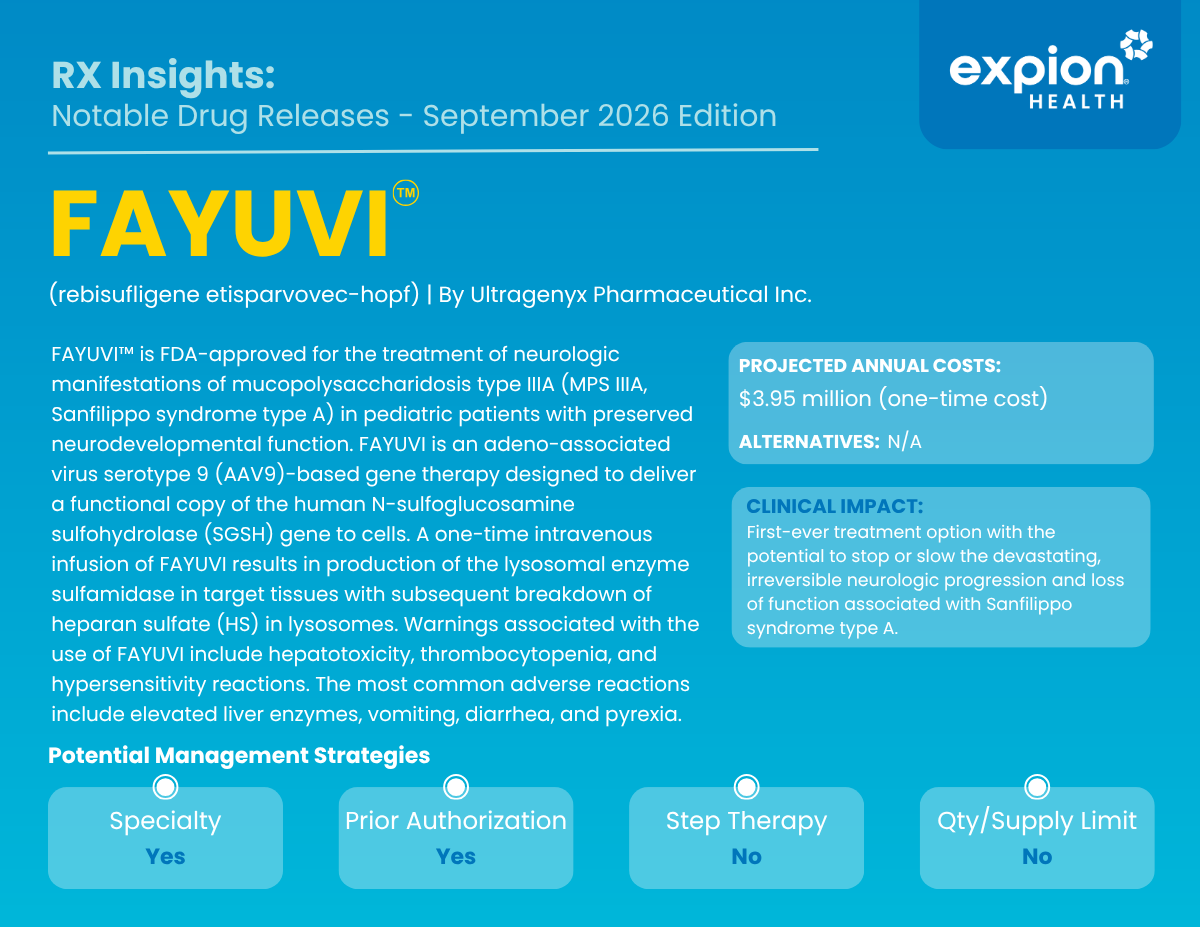
FAYUVI is an adeno-associated virus (AAV)-based gene therapy FDA-approved for the treatment of neurologic manifestations of mucopolysaccharidosis type IIIA (MPS IIIA), also known as Sanfilippo syndrome type A, in pediatric patients with preserved neurodevelopmental function.
Dosage and Administration
The recommended dose is 3 × 10¹³ vector genomes per kilogram (vg/kg) of body weight, administered as a one-time intravenous infusion over approximately 1 hour. Oral corticosteroids (prednisone or prednisolone) should be initiated 1 day before infusion at 1 mg/kg/day and continued for 8 weeks.
Warnings and Precautions
FAYUVI may cause serious adverse reactions, including hepatotoxicity, thrombocytopenia, and hypersensitivity reactions. Common adverse reactions include elevated liver enzymes, vomiting, diarrhea, and pyrexia (fever).
Mechanism of Action
FAYUVI is an AAV9-based gene therapy that delivers a functional copy of the SGSH gene, enabling production of the lysosomal enzyme sulfamidase. This enzyme facilitates the breakdown of heparan sulfate within lysosomes, reducing the accumulation associated with MPS IIIA.
Disease Background
MPS IIIA (Sanfilippo syndrome type A) is a rare, inherited lysosomal storage disorder caused by mutations in the SGSH gene, resulting in deficient sulfamidase activity and progressive accumulation of heparan sulfate. This accumulation primarily affects the central nervous system, leading to progressive neurodegeneration, developmental regression, and irreversible neuronal damage. MPS III collectively affects approximately 1 in 70,000–100,000 births.
Clinical Data
FDA approval was supported by the open-label, dose-ranging Transpher A study (NCT02716246), involving 28 patients, and its long-term follow-up study (NCT04360265). Efficacy at the recommended dose of 3 × 10¹³ vg/kg was evaluated against untreated natural history cohorts. Treatment resulted in a rapid, sustained median reduction of approximately 64% in cerebrospinal fluid heparan sulfate levels. Among 17 patients in the modified intent-to-treat population, FAYUVI was associated with approximately 23 points higher Bayley-III cognitive raw scores between 24 and 60 months compared with natural history data, along with improvements in communication and motor skills. These findings support its potential to preserve neurodevelopmental function in pediatric patients with MPS IIIA.
LYRFIGTU
Indication
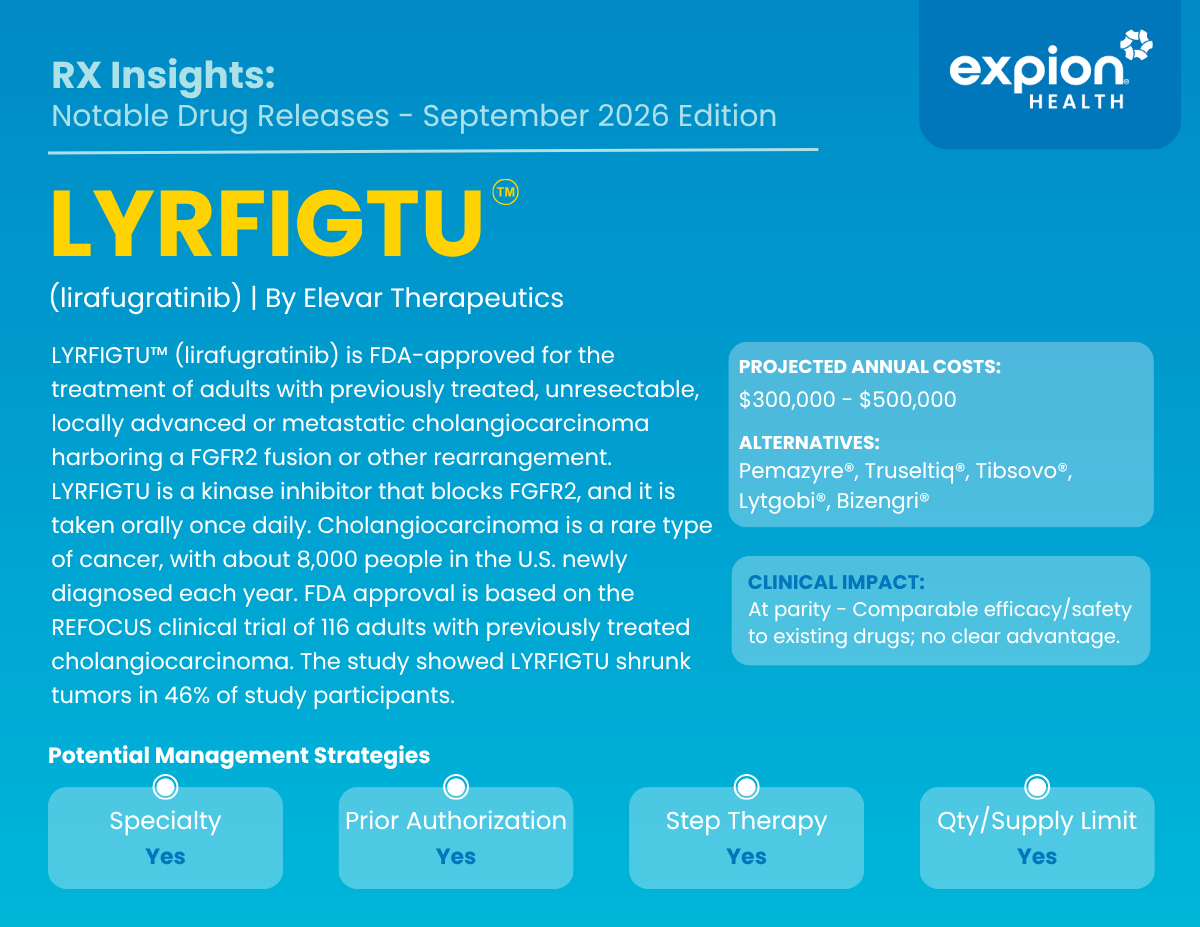
LYRFIGTU (lirafugratinib) is a targeted therapy FDA-approved for the treatment of adults with previously treated, unresectable, locally advanced or metastatic cholangiocarcinoma harboring an FGFR2 fusion or other rearrangement.
Dosage and Administration
The recommended dose is 70 mg orally once daily, with or without food, until disease progression or unacceptable toxicity. Capsules should be swallowed whole. Patients must undergo tumor testing to confirm an FGFR2 fusion or rearrangement before initiating treatment.
Warnings and Precautions
LYRFIGTU may cause serious adverse reactions, including ocular toxicity, hyperphosphatemia (elevated blood phosphate levels), and embryo-fetal toxicity. Photosensitivity may also occur. Common adverse reactions include nail disorders, hand-foot syndrome, stomatitis (mouth sores), alopecia, and dry eye.
Mechanism of Action
LYRFIGTU is a selective fibroblast growth factor receptor 2 (FGFR2) inhibitor that blocks receptor phosphorylation and downstream signaling pathways involved in cancer cell growth and survival. By targeting FGFR2 alterations, including fusions and rearrangements, LYRFIGTU inhibits tumor cell proliferation and reduces cancer cell viability.
Disease Background
Cholangiocarcinoma (CCA), or bile duct cancer, is a rare and aggressive malignancy affecting approximately 8,000 individuals annually in the United States. Symptoms often develop at advanced stages and may include jaundice, itching, abdominal pain, and changes in stool or urine color. Surgical removal offers the best chance for a cure but is frequently not feasible due to late diagnosis. For patients with advanced disease, treatment options include chemotherapy, immunotherapy, and targeted therapies for tumors with specific genetic alterations, such as FGFR2 fusions or rearrangements.
Clinical Data
The efficacy of LYRFIGTU was evaluated in the REFOCUS trial (NCT04526106), involving 116 adults with previously treated FGFR2-positive cholangiocarcinoma. Treatment demonstrated a confirmed objective response rate (ORR) of 46%, with a median duration of response of 11.8 months and a median time to response of 1.9 months. Median progression-free survival (PFS) was 11.3 months (95% CI, 9.2–14.8), with a 12-month PFS rate of 49.2%. Adverse reactions were generally manageable through dose adjustments.
For the teams building pharmacy forward
Get the Expion Health® perspective on the trends, decisions, and market shifts redefining how pharmacy value is created.
Move beyond the pharmacy black box
See how Expion helps organizations build pharmacy strategies with more visibility, flexibility and control from the start.