
 News & Insights

This month’s edition provides a focused review of newly approved and recently launched therapies. Expion Health monitors these developments closely to assess clinical relevance, therapeutic positioning, and potential implications for payers, providers, and patients.
Indication
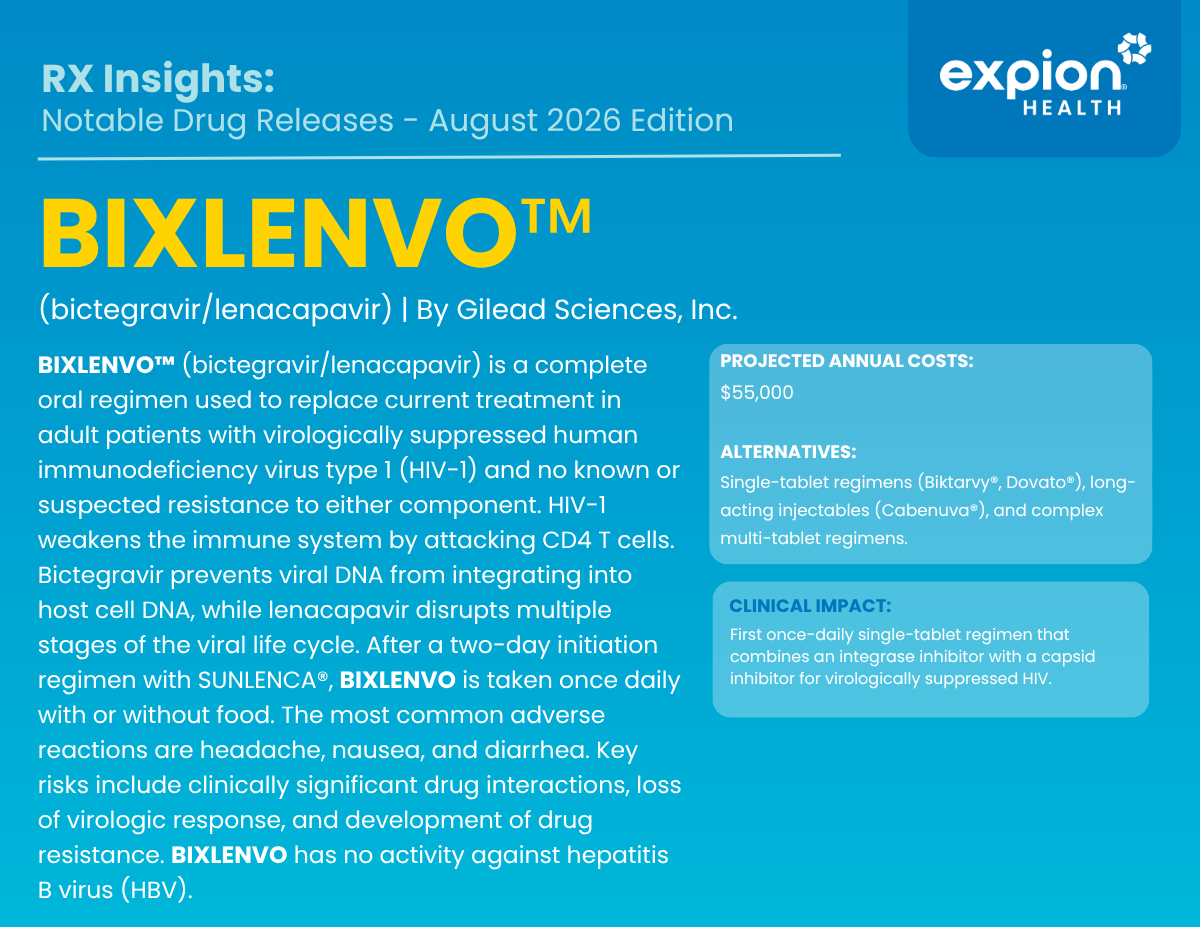
BIXLENVO is indicated as a complete regimen to replace the current antiretroviral regimen in adult patients with human immunodeficiency virus type 1 (HIV-1) infection who are virologically suppressed on a stable regimen and have no known or suspected resistance to either component of BIXLENVO.
Dosage and Administration
On Days 1 and 2, administer one BIXLENVO tablet containing bictegravir 75 mg and lenacapavir 50 mg orally with two SUNLENCA® 300 mg tablets orally. Beginning on Day 3, administer one BIXLENVO tablet orally once daily without SUNLENCA. BIXLENVO may be taken with or without food. If more than 7 days have passed since the last maintenance dose, restart the two-day initiation regimen if continuing treatment is clinically appropriate.
Warnings and Precautions
Serious risks associated with BIXLENVO include clinically significant drug interactions that may cause adverse reactions, loss of virologic response, or development of resistance. Coadministration with dofetilide or strong cytochrome P450 3A (CYP3A) inducers is contraindicated. Because BIXLENVO has no activity against hepatitis B virus (HBV), patients with HBV coinfection should be closely monitored and considered for specific anti-HBV therapy. The most common adverse reactions include headache, nausea, and diarrhea. Notable laboratory abnormalities include increased serum creatinine and elevated liver enzymes.
Mechanism of Action
BIXLENVO combines bictegravir, an integrase strand transfer inhibitor, and lenacapavir, a capsid inhibitor. Bictegravir prevents HIV-1 DNA from integrating into host cell DNA. Lenacapavir binds to the HIV-1 capsid and disrupts multiple stages of the viral life cycle, including nuclear entry, virus assembly and release, and capsid formation. Together, the two components inhibit HIV-1 replication and help maintain viral suppression.
Disease Background
HIV-1 is the most common type of human immunodeficiency virus. It attacks CD4 T cells, weakening the immune system and making it more difficult for the body to fight infections. Without treatment, HIV may progress to acquired immunodeficiency syndrome (AIDS). Antiretroviral therapy (ART) uses a combination of medications to suppress viral replication and maintain an undetectable viral load. Effective viral suppression protects the immune system and prevents sexual transmission of HIV. Although many patients can take a once-daily single-tablet regimen, drug resistance, medication interactions, tolerability concerns, or previous treatment history may require more complex regimens. This creates a need for additional complete treatment options that can simplify therapy while maintaining viral suppression.
Clinical Data
The clinical efficacy of BIXLENVO was established in two randomized, active-controlled Phase 3 trials involving adults with virologically suppressed HIV-1. In ARTISTRY-1 (NCT05502341), 557 patients receiving complex antiretroviral therapy were randomized to switch to BIXLENVO (n=371) or continue their existing regimen (n=186). In ARTISTRY-2 (NCT06333808), 574 patients receiving BIKTARVY® were randomized to switch to BIXLENVO (n=383) or continue BIKTARVY (n=191). The primary endpoint was the percentage of patients with an HIV-1 RNA level of at least 50 copies/mL at Week 48. In both trials, 1% of patients in each treatment group met this endpoint, demonstrating that BIXLENVO was noninferior to the comparator regimens. Viral suppression was maintained by 96% of patients receiving BIXLENVO versus 94% continuing their complex regimen in ARTISTRY-1 and by 93% receiving BIXLENVO versus 91% continuing BIKTARVY in ARTISTRY-2. Discontinuation due to an adverse event or death occurred in 2% of patients receiving BIXLENVO in each
Indication
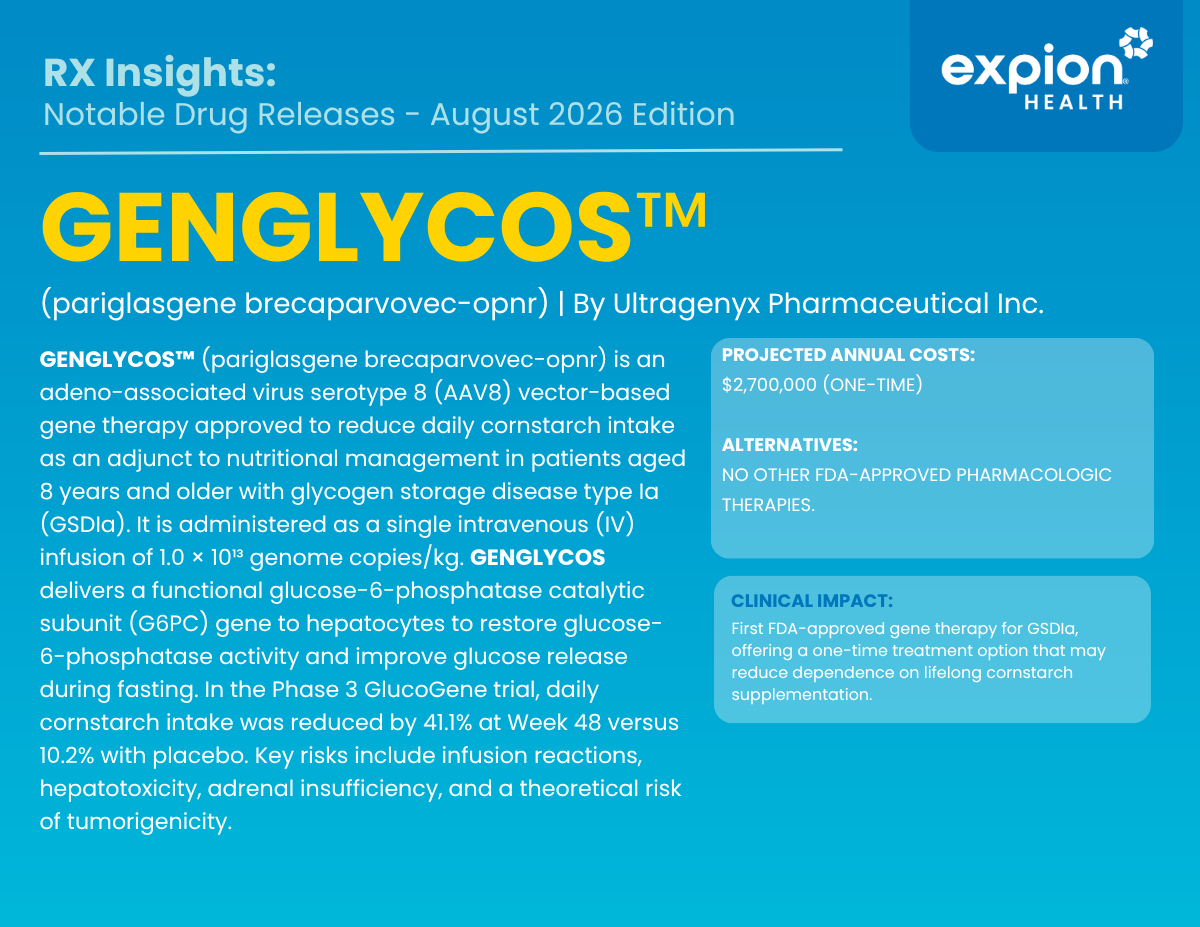
GENGLYCOS is indicated to reduce daily cornstarch intake as an adjunct to nutritional management in adult and pediatric patients 8 years of age and older with glycogen storage disease type Ia (GSDIa).
Dosage and Administration
The recommended dose of GENGLYCOS is a single intravenous (IV) infusion of 1.0 × 10¹³ genome copies/kg. For patients weighing more than 87 kg, the dose is based on a maximum weight of 87 kg. Patients should receive acetaminophen and a non-sedating antihistamine 30 to 60 minutes before the infusion to reduce the risk of infusion reactions. Oral corticosteroid therapy is initiated 2 weeks after infusion to help manage the immune-mediated liver response.
Warnings and Precautions
Hypersensitivity and infusion-related reactions, including anaphylaxis, may occur with GENGLYCOS. Therefore, patients should be premedicated and monitored during and after the infusion. Immune-mediated hepatotoxicity has also been reported and may require liver function monitoring and corticosteroid therapy. GENGLYCOS also carries a theoretical risk of tumorigenicity related to adeno-associated virus (AAV) vector DNA integration. GENGLYCOS should not be used during pregnancy, and females of reproductive potential should use effective contraception for at least 12 months after treatment. Males of reproductive potential and their female partners should use effective contraception for 6 months after treatment. Common adverse reactions include elevated transaminases, nausea, headache, hypertriglyceridemia, adrenal insufficiency, constipation, and hyperglycemia.
Mechanism of Action
Pariglasgene brecaparvovec-opnr is an adeno-associated virus type 8 (AAV8) vector-based gene therapy designed to deliver a functional copy of the human glucose-6-phosphatase catalytic subunit (G6PC) gene to liver cells. In GSDIa, mutations in the G6PC gene result in deficient glucose-6-phosphatase activity, preventing the liver from appropriately releasing glucose during fasting. Following infusion, GENGLYCOS delivers the functional gene to hepatocytes, allowing production of glucose-6-phosphatase and helping restore the liver’s ability to release glucose into the bloodstream. This may reduce dependence on frequent cornstarch supplementation to maintain blood glucose levels.
Disease Background
Glycogen storage disease type Ia (GSDIa), also known as von Gierke disease, is an ultra-rare inherited disorder of carbohydrate metabolism caused by pathogenic variants in the G6PC gene, resulting in deficient glucose-6-phosphatase activity and impaired release of glucose during fasting. Patients are at risk for severe hypoglycemia between meals and overnight, while excess glycogen and fat accumulate primarily in the liver and kidneys. Over time, complications may include hepatomegaly, lactic acidosis, hyperuricemia, hypertriglyceridemia, impaired growth, kidney disease, and hepatic adenomas. Current management requires lifelong dietary therapy with frequent meals and regular doses of uncooked or modified cornstarch throughout the day and night to maintain stable blood glucose levels, creating a substantial treatment burden for patients and caregivers.
Clinical Data
GENGLYCOS was evaluated in the Phase 3 GlucoGene trial (NCT05139316), a randomized, double-blind, placebo-controlled study in 46 patients aged 8 to 37 years with GSDIa. Patients received a single infusion of GENGLYCOS or placebo and were followed for 48 weeks. The primary endpoint was the percent change in daily cornstarch intake from baseline to Week 48. At Week 48, patients receiving GENGLYCOS had a 41.1% reduction in daily cornstarch intake compared with a 10.2% reduction with placebo, resulting in a treatment difference of 30.9% (P<0.001). Among treated patients with available follow-up data at Week 96, daily cornstarch intake remained approximately 60.8% below pretreatment levels.
Indication
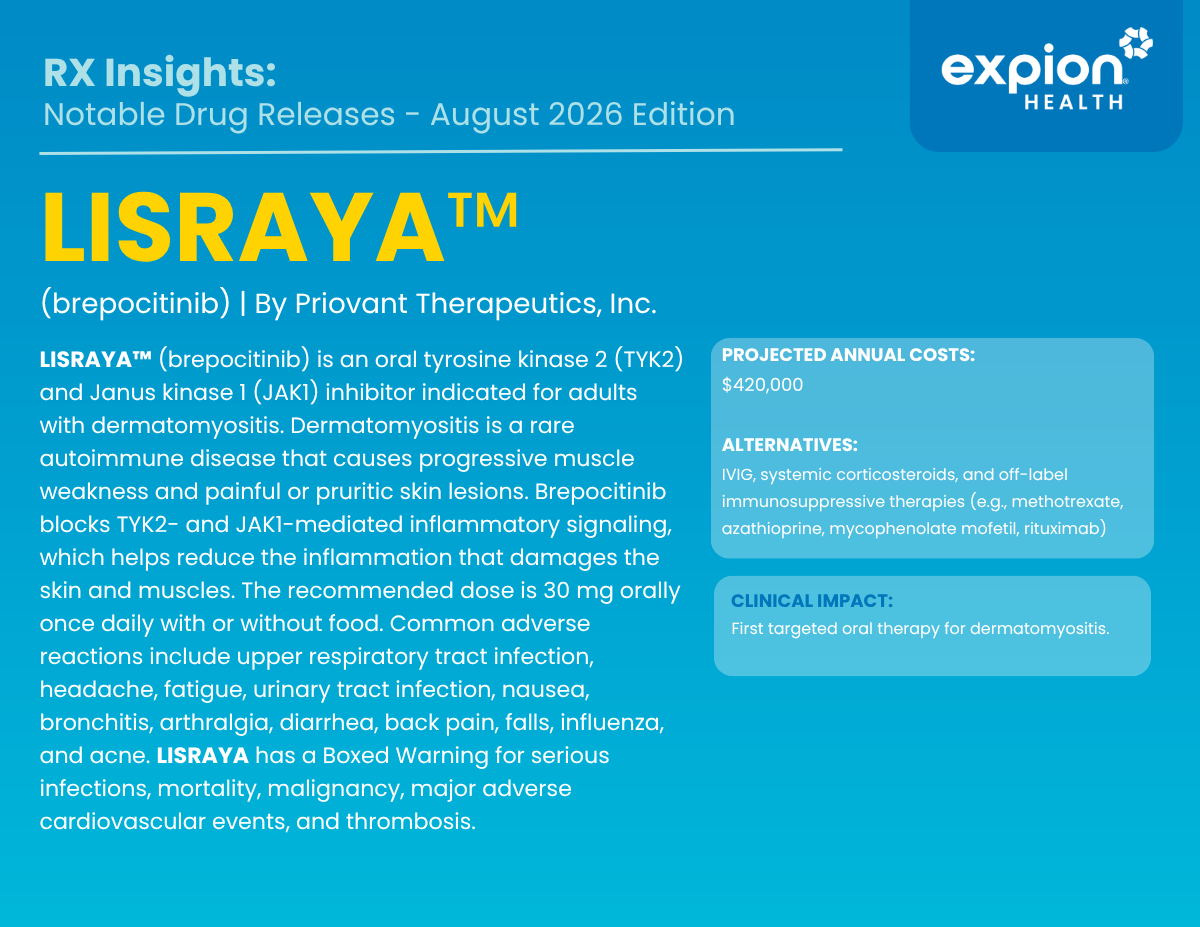
LISRAYA is indicated for adult patients with dermatomyositis (DM).
Dosage and Administration
The recommended dose of LISRAYA is one 30 mg tablet taken orally once daily. It may be taken with or without food.
Warnings and Precautions
LISRAYA has a Boxed Warning for serious infections, mortality, malignancy, major adverse cardiovascular events (MACE), and thrombosis. Additional risks include hypersensitivity, gastrointestinal perforation, hypoglycemia in patients with diabetes, and embryo-fetal toxicity. The most common adverse reactions include upper respiratory tract infection, headache, fatigue, urinary tract infection, nausea, bronchitis, arthralgia, diarrhea, back pain, falls, influenza, and acne. Notable laboratory abnormalities include neutropenia, lymphopenia, anemia, increased lipid levels, and elevated liver enzymes.
Mechanism of Action
Brepocitinib inhibits tyrosine kinase 2 (TYK2) and Janus kinase 1 (JAK1), intracellular enzymes that transmit cytokine signals involved in immune and inflammatory responses. By blocking these pathways, brepocitinib reduces the inflammatory signaling associated with dermatomyositis.
Disease Background
Dermatomyositis (DM) is a rare systemic autoimmune disease that primarily affects the skin and skeletal muscles. It is characterized by progressive, symmetric muscle weakness and distinctive skin lesions that may be painful or pruritic. Approximately 1 in 100,000 people develop DM each year, and the disease may also involve the lungs, gastrointestinal tract, and cardiovascular system. Treatment has traditionally relied on systemic corticosteroids, immunosuppressants, and intravenous immune globulin (IVIG). However, these therapies are not uniformly effective, and prolonged corticosteroid use can cause substantial adverse effects, creating a need for targeted treatment options.
Clinical Data
The clinical efficacy of LISRAYA was established in the randomized, double-blind, multicenter, placebo-controlled Phase 3 VALOR trial (NCT05437263), which enrolled 241 adults with dermatomyositis. Patients received brepocitinib 30 mg, brepocitinib 15 mg, or placebo orally once daily for 52 weeks while continuing any existing dermatomyositis therapy. The primary endpoint was the Total Improvement Score (TIS), a composite measure of muscle strength, physical function, skin and overall disease activity, and muscle enzyme levels. At Week 52, the mean TIS was 47.5 with LISRAYA compared with 33.3 with placebo. Moderate improvement was achieved by 69% and 47% of patients, respectively, while major improvement was achieved by 48% and 26%, respectively. LISRAYA also reduced skin disease activity, improved physical function, and allowed more patients to reduce corticosteroid use. Treatment discontinuation due to adverse reactions occurred in 6% of patients receiving LISRAYA compared with 11% receiving placebo.
Indication
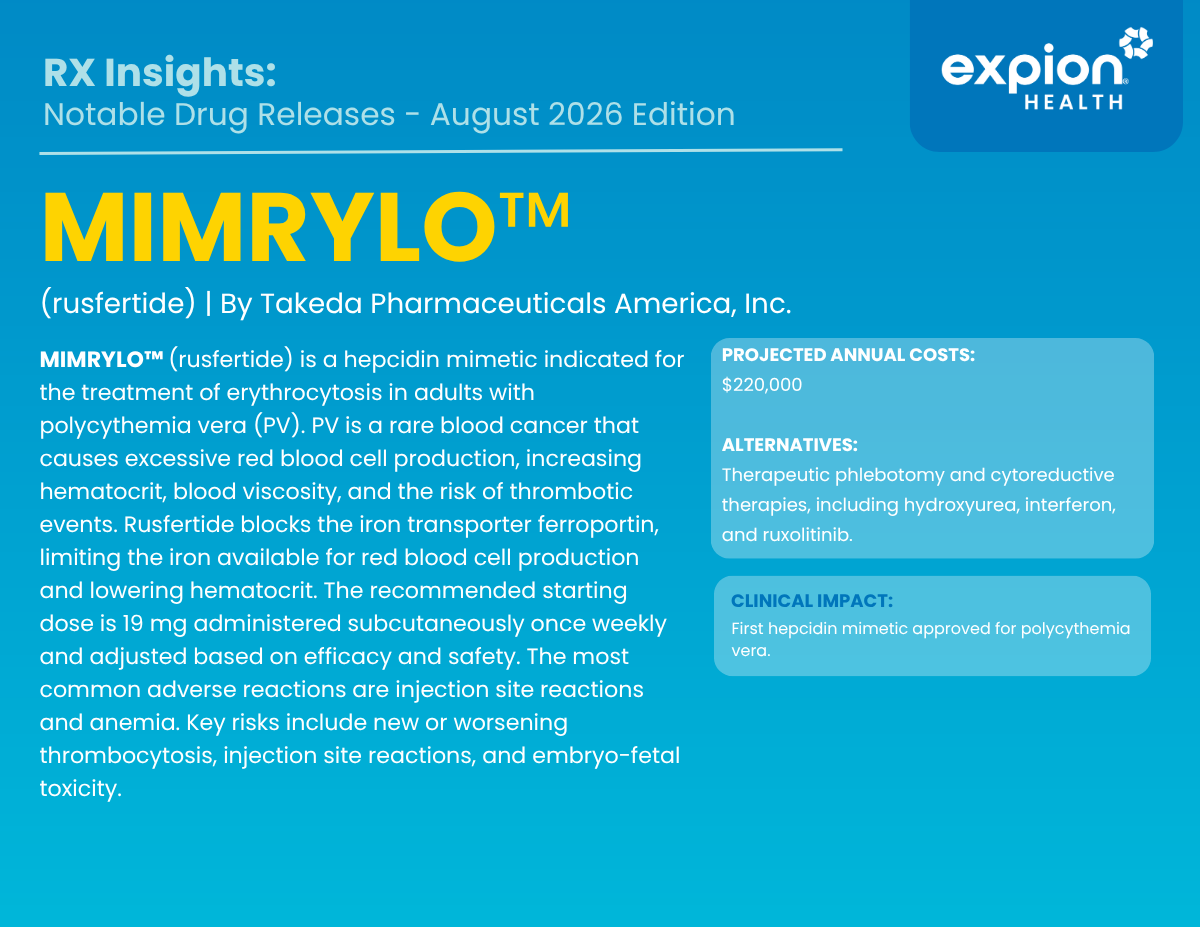
MIMRYLO is indicated for the treatment of erythrocytosis in adult patients with polycythemia vera (PV).
Dosage and Administration
The recommended starting dose of MIMRYLO is 19 mg administered subcutaneously once weekly. The dose may be adjusted based on efficacy and safety to a maximum of 108 mg weekly. Dose increases may be considered after at least 2 weeks at the current dose to reduce or maintain hematocrit below 45%. Doses greater than 54 mg require two injections, and doses greater than 82 mg should be administered on separate days.
Warnings and Precautions
Warnings and precautions associated with the use of MIMRYLO include new or worsening thrombocytosis, injection site reactions, and embryo-fetal toxicity. The most common adverse reactions include injection site reactions and anemia. Notable laboratory abnormalities include increased platelet counts and decreased hemoglobin levels.
Mechanism of Action
Rusfertide is a hepcidin mimetic that blocks ferroportin, an iron transporter responsible for releasing iron into the bloodstream. By limiting the iron available for red blood cell production, rusfertide reduces erythrocytosis and lowers hematocrit levels.
Disease Background
Polycythemia vera (PV) is a rare, chronic blood cancer that causes the body to produce too many red blood cells, increasing hematocrit and blood viscosity. Most patients have a mutation in the Janus kinase 2 (JAK2) gene that promotes abnormal blood cell production. PV affects approximately 90,000 people in the United States and increases the risk of serious thrombotic events, including stroke, deep vein thrombosis, pulmonary embolism, and heart attack. Keeping hematocrit consistently below 45% can reduce the risk of thrombotic events and help relieve symptoms such as severe fatigue, itching, difficulty concentrating, and night sweats. Traditional management includes low-dose aspirin, therapeutic phlebotomy, and cytoreductive therapies such as hydroxyurea, interferon, and ruxolitinib. However, some patients continue to have uncontrolled hematocrit or require frequent phlebotomies despite treatment, creating a need for additional treatment options.
Clinical Data
The clinical efficacy of MIMRYLO was established in the randomized, double-blind, multicenter, placebo-controlled Phase 3 VERIFY trial (NCT05210790), which enrolled 293 adults with polycythemia vera who required frequent phlebotomies despite ongoing standard therapy. Patients received MIMRYLO, starting at 19 mg subcutaneously once weekly and titrated to maintain hematocrit below 45%, or placebo for 32 weeks while continuing standard therapy. The primary endpoint was the percentage of patients who maintained hematocrit control without becoming eligible for phlebotomy between Weeks 20 and 32. A response was achieved by 76.9% of patients receiving MIMRYLO compared with 32.9% receiving placebo. The mean number of phlebotomies through Week 32 was 0.53 and 1.82, respectively, while 62.6% and 14.4%, respectively, maintained hematocrit below 45%. MIMRYLO also significantly improved fatigue. Permanent discontinuation due to adverse reactions occurred in fewer than 2% of patients exposed to MIMRYLO.
Indication
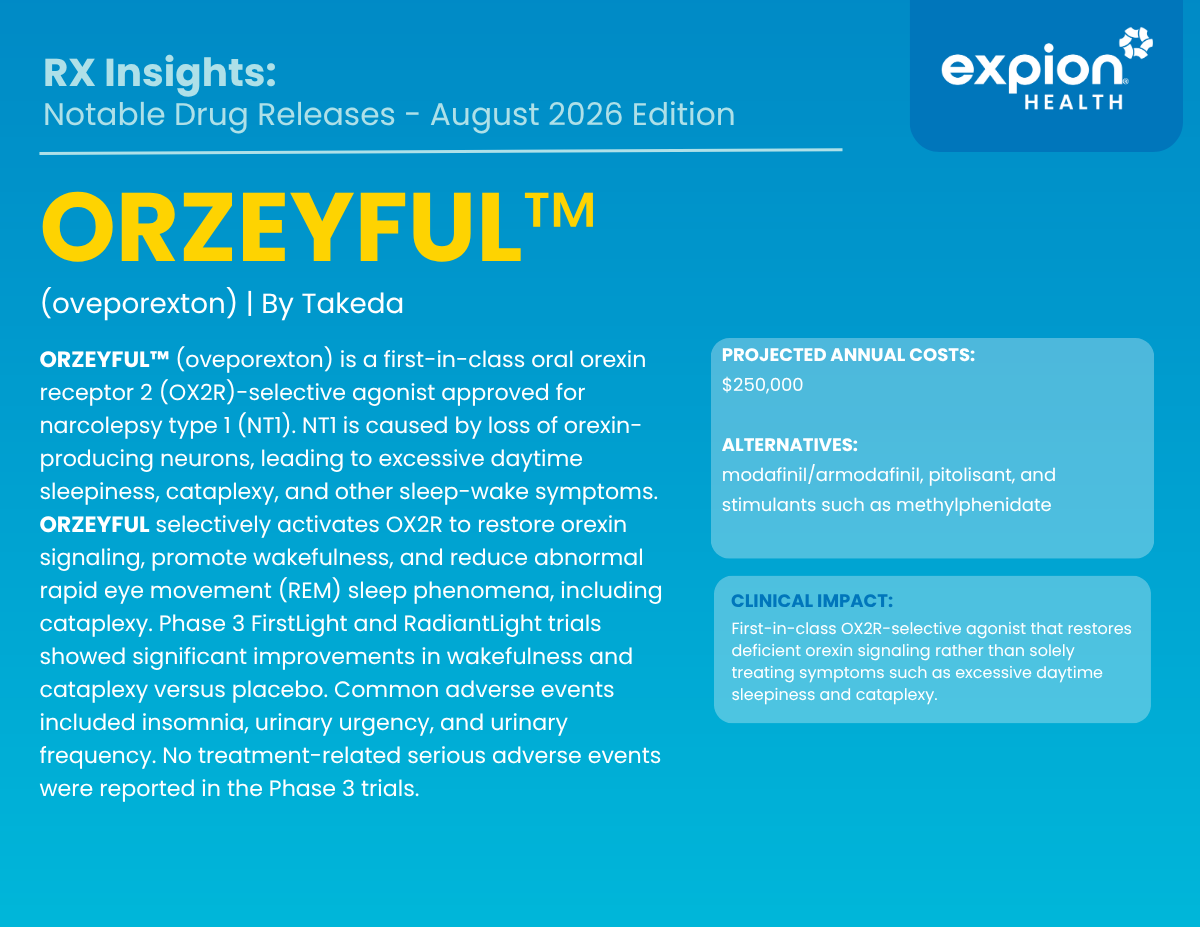
ORZEYFUL is indicated for the treatment of narcolepsy type 1 (NT1) in adults. Narcolepsy type 1 is characterized by excessive daytime sleepiness and cataplexy.
Dosage and Administration
The recommended dosage of ORZEYFUL is 1 mg or 2 mg by mouth after awakening, followed by a second dose of the same strength 3 to 5 hours later. ORZEYFUL should be taken at approximately the same times each day and may be taken with or without food. The maximum recommended total daily dose is 4 mg.
Warnings and Precautions
Common adverse reactions include insomnia, urinary frequency, urinary urgency, and salivary hypersecretion. ORZEYFUL is contraindicated in patients taking strong cytochrome P450 3A (CYP3A) inhibitors. Notable laboratory findings include creatine phosphokinase (CPK) elevations. ORZEYFUL should be avoided in patients with severe hepatic impairment (Child-Pugh C) or severe renal impairment requiring dialysis because it has not been studied in these populations.
Mechanism of Action
ORZEYFUL is a selective orexin receptor 2 (OX2R) agonist that stimulates OX2R to restore orexin signaling. This promotes wakefulness and reduces abnormal rapid eye movement (REM) sleep phenomena, such as cataplexy. Unlike current therapies that mainly manage individual symptoms, ORZEYFUL targets the underlying orexin deficiency associated with narcolepsy type 1 (NT1).
Disease Background
Narcolepsy type 1 (NT1) is a chronic neurologic sleep-wake disorder characterized by excessive daytime sleepiness (EDS), cataplexy, disrupted nighttime sleep, sleep paralysis, hallucinations, and cognitive or functional impairment. NT1 is associated with low orexin levels due to the loss of orexin-producing neurons. A recent U.S. claims-based study estimated the prevalence of NT1 at 12.6 per 100,000 people. NT1 commonly begins during adolescence or young adulthood and can affect many aspects of daily life, including education, employment, driving, and overall quality of life.
Clinical Data
The FDA approval of ORZEYFUL (oveporexton) was supported by data from two global, randomized, double-blind, placebo-controlled, multicenter Phase 3 trials, FirstLight (NCT06470828; N=168) and RadiantLight (NCT06505031; N=105), which evaluated a total of 273 participants with narcolepsy type 1 over 12 weeks. The primary efficacy endpoint in both trials was the change from baseline to Week 12 in mean sleep latency on the Maintenance of Wakefulness Test (MWT), a measure of wakefulness. In FirstLight, oveporexton 1 mg and 2 mg twice daily improved MWT sleep latency versus placebo by 13.83 minutes and 17.20 minutes, respectively (P<0.001). In RadiantLight, oveporexton 2 mg twice daily improved MWT sleep latency versus placebo by 20.09 minutes (P<0.001).
Indication
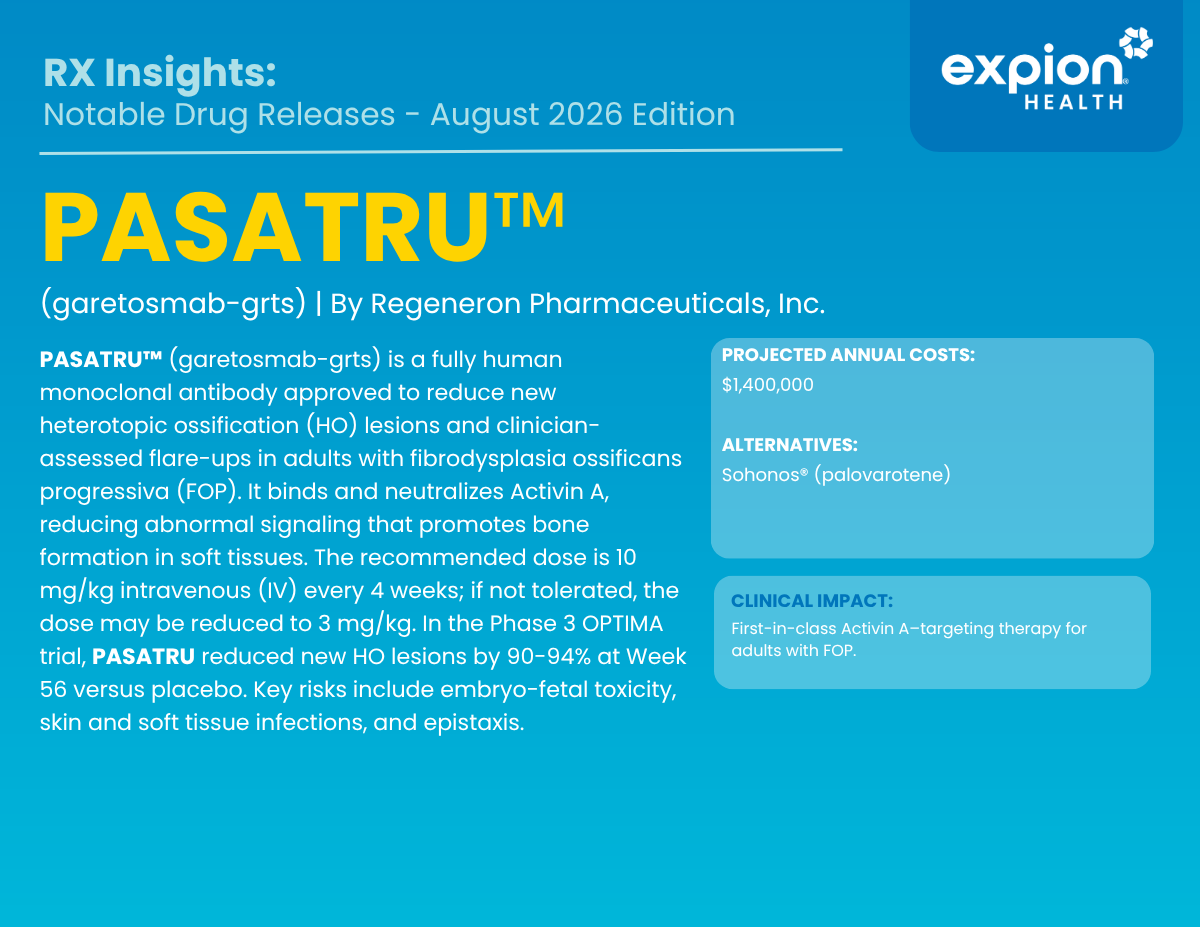
PASATRU is indicated to reduce the formation of new heterotopic ossification (HO) lesions and clinician-assessed flare-ups in adults with fibrodysplasia ossificans progressiva (FOP).
Dosage and Administration
The recommended starting dose is 10 mg/kg administered as an intravenous (IV) infusion over 60 minutes once every 4 weeks. If the 10 mg/kg dose is not tolerated, the dose may be reduced to 3 mg/kg administered as an IV infusion over 60 minutes once every 4 weeks.
Warnings and Precautions
PASATRU may cause embryo-fetal toxicity and is contraindicated in pregnancy. Pregnancy should be ruled out prior to treatment initiation, and females of reproductive potential should use effective contraception during treatment and for 6 months after the last dose. Skin and soft tissue infections, including abscesses and cellulitis requiring treatment or hospitalization, have occurred in patients receiving PASATRU. Patients should be monitored for signs and symptoms of infection. Epistaxis, including serious cases requiring medical intervention, has also been reported. The most common adverse reactions (≥10%) include abscess, acne, increased hair growth, madarosis, oral ulcers, and epistaxis.
Mechanism of Action
PASATRU is a fully human monoclonal antibody that binds to and neutralizes Activin A. In FOP, Activin A abnormally activates the mutated activin receptor type 1 (ACVR1), triggering heterotopic ossification. By blocking Activin A signaling, PASATRU reduces abnormal bone formation and helps slow the progression of new heterotopic ossification lesions.
Disease Background
Fibrodysplasia ossificans progressiva (FOP) is an ultra-rare, progressive genetic disorder in which muscles, tendons, ligaments, and other connective tissues are gradually replaced by bone through a process known as heterotopic ossification (HO). FOP is caused by mutations in the ACVR1 gene, which result in abnormal signaling that promotes bone formation in soft tissues. HO may occur spontaneously or following painful inflammatory flare-ups and can affect areas such as the jaw, spine, hips, and rib cage. As the disease progresses, accumulating HO can severely restrict joint movement and mobility and interfere with basic activities such as speaking, eating, walking, and breathing. Tissue trauma may also trigger flare-ups and additional bone formation, making certain procedures and injuries particularly concerning.
Clinical Data
PASATRU was evaluated in the OPTIMA trial (NCT05394116), a Phase 3, multicenter, randomized, double-blind, placebo-controlled trial in 63 adults with FOP confirmed by an FOP-causing ACVR1 mutation. Patients were randomized to receive PASATRU 10 mg/kg, PASATRU 3 mg/kg, or placebo intravenously once every 4 weeks for 56 weeks. At Week 56, PASATRU significantly reduced the total number of new HO lesions compared with placebo. Patients receiving 10 mg/kg experienced a 90% reduction in new HO lesions (2 lesions vs. 19 with placebo), while patients receiving 3 mg/kg experienced a 94% reduction (1 lesion vs. 19 with placebo). Clinician-assessed flare-ups were also reduced, with 9 flare-ups reported in the 10 mg/kg group compared with 66 in the placebo group, representing an 88% reduction. The 3 mg/kg group experienced 53 clinician-assessed.
Indication
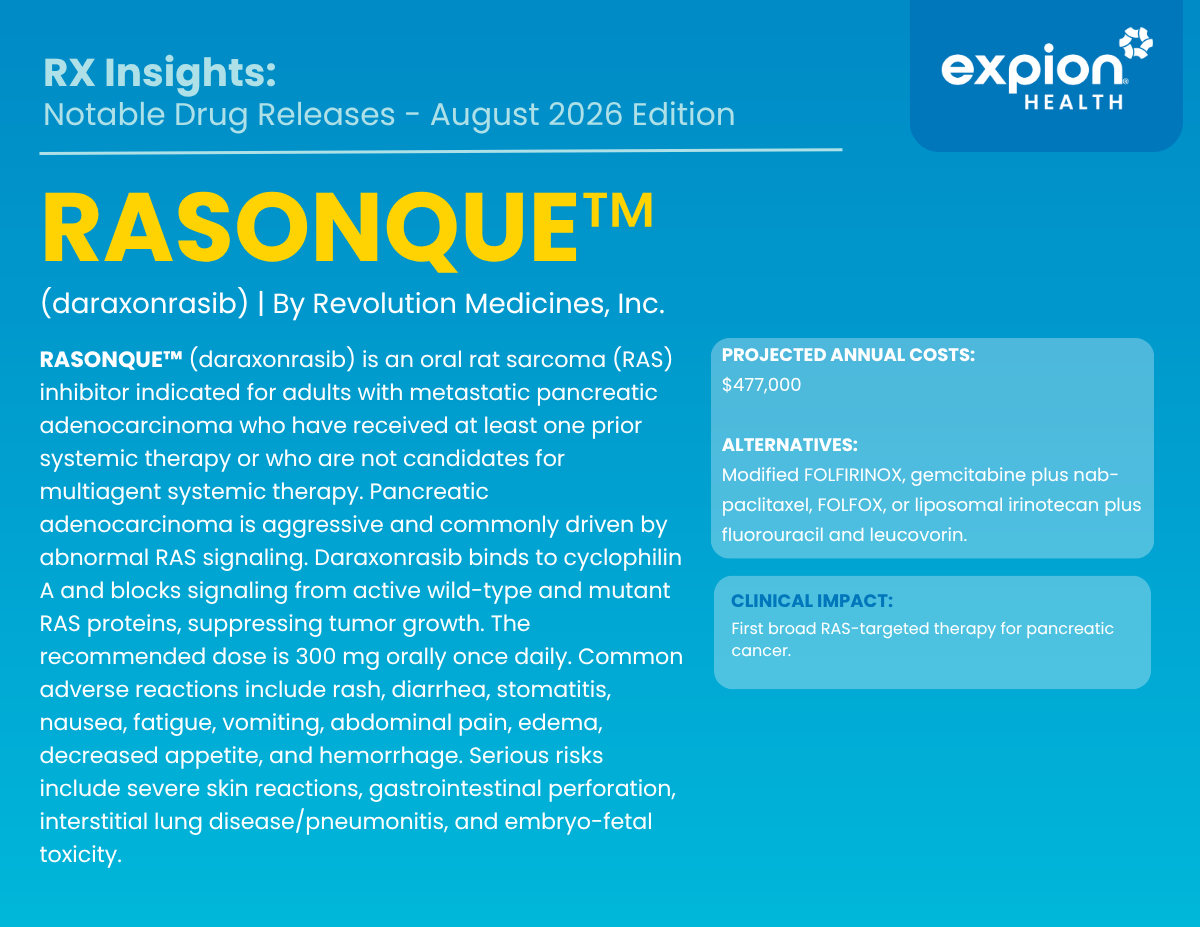
RASONQUE is indicated for adults with metastatic pancreatic adenocarcinoma who have received at least one prior systemic therapy or are not candidates for a multiagent systemic therapy regimen.
Dosage and Administration
The recommended dose of RASONQUE is 300 mg orally once daily. It may be taken with or without food and should be taken at the same time each day. Prophylactic and concomitant medications should be administered to reduce the risk of dermatologic reactions.
Warnings and Precautions
Serious risks associated with the use of RASONQUE include dermatologic and soft tissue toxicity, stomatitis and other oral disorders, diarrhea, gastrointestinal perforation, interstitial lung disease (ILD)/pneumonitis, and embryo-fetal toxicity. The most common adverse reactions include rash, diarrhea, stomatitis, nausea, fatigue, vomiting, abdominal pain, edema, decreased appetite, and hemorrhage. Notable laboratory abnormalities include decreases in blood cell counts and levels of albumin, calcium, sodium, magnesium, and potassium, as well as increases in liver enzymes and serum creatinine.
Mechanism of Action
Daraxonrasib is an inhibitor of the rat sarcoma (RAS) family of guanosine triphosphatases. It binds to cyclophilin A and forms a complex with active RAS proteins, blocking downstream signaling and converting RAS to its inactive state. Inhibition of wild-type and mutant RAS variants suppresses tumor growth and promotes cancer cell death.
Disease Background
Pancreatic ductal adenocarcinoma (PDAC) is the most common type of pancreatic cancer and is characterized by aggressive tumor growth, early metastasis, and resistance to treatment. Approximately 67,530 new cases of pancreatic cancer and 52,740 related deaths are expected in the United States in 2026. PDAC is frequently diagnosed at an advanced stage, and the 5-year relative survival rate for patients with distant disease is approximately 3%. RAS signaling is a major driver of PDAC, with most tumors harboring a mutation in the KRAS gene. Combination chemotherapy has traditionally been the primary treatment for metastatic disease; however, treatment options after disease progression are limited. Targeting active RAS proteins provides another treatment approach for patients with metastatic disease.
Clinical Data
The clinical efficacy of RASONQUE was established in the global, randomized, open-label, multicenter Phase 3 RASolute 302 trial (NCT06625320), which enrolled 500 adults with metastatic pancreatic adenocarcinoma that had progressed after one prior line of systemic therapy. Patients received either RASONQUE 300 mg orally once daily or the physician’s choice of standard-of-care (SOC) chemotherapy. Median overall survival (OS) was 13.2 months with RASONQUE compared with 6.7 months with SOC chemotherapy, representing a 60% reduction in the risk of death. Median progression-free survival (PFS) was 7.2 months and 3.6 months, respectively, while the objective response rate (ORR) was 30% and 11%, respectively. RASONQUE demonstrated statistically significant improvements in OS, PFS, and ORR in both the overall population and patients with RAS G12 mutations. Permanent treatment discontinuation due to adverse reactions occurred in 2.9% of patients receiving RASONQUE.
Indication
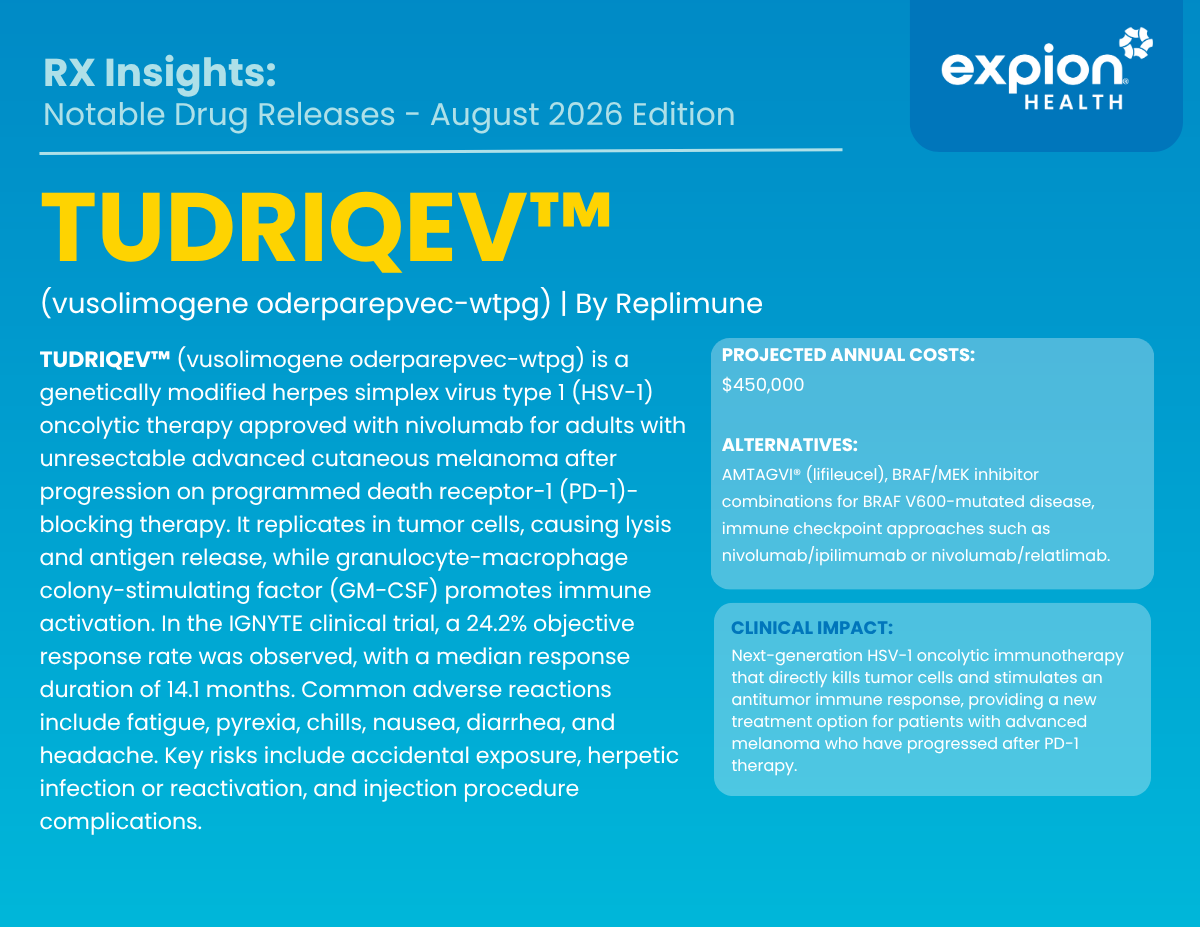
TUDRIQEV is indicated in combination with nivolumab for the treatment of adults with unresectable advanced cutaneous melanoma who have experienced disease progression with a programmed death receptor-1 (PD-1)-blocking antibody-based regimen.
Dosage and Administration
The recommended dosage of TUDRIQEV is based on tumor size, with an injection volume of 1 mL per cm of the tumor’s longest dimension, up to a maximum total volume of 10 mL across all lesions treated at each visit. TUDRIQEV is administered by intratumoral injection every 2 weeks for up to 8 consecutive doses, beginning at a concentration of 10⁶ plaque-forming units (PFU)/mL for the first dose and 10⁷ PFU/mL for subsequent doses. For deep or visceral tumors, administration should be performed using image guidance. Nivolumab should be administered intravenously beginning with the second TUDRIQEV dose (Week 3).
Warnings and Precautions
Common adverse reactions include fatigue, pyrexia, chills, musculoskeletal pain, nausea, diarrhea, injection-site reactions, headache, cough, influenza-like illness, rash, vomiting, pruritus, arthralgia, constipation, decreased appetite, dizziness, infections, dyspnea, hemorrhage, edema, and abdominal pain. Notable laboratory abnormalities include increased amylase and increased lipase. Warnings and precautions associated with TUDRIQEV include accidental exposure, herpetic infection or reactivation, injection procedure complications, and immune-mediated events. Antiviral agents may reduce the effectiveness of TUDRIQEV; therefore, TUDRIQEV administration should be delayed for 72 hours following antiviral therapy. Females of reproductive potential and males with female partners of reproductive potential should use effective contraception during treatment and for 90 days after the last dose.
Mechanism of Action
TUDRIQEV is a genetically modified herpes simplex virus type 1 (HSV-1) oncolytic therapy engineered to express a fusogenic glycoprotein derived from gibbon ape leukemia virus with the R sequence deleted (GALV-GP-R⁻) and human granulocyte-macrophage colony-stimulating factor (GM-CSF). It preferentially replicates within tumor cells, causing tumor-cell lysis and the release of tumor antigens. GALV-GP-R⁻ helps enhance direct tumor-cell killing, while GM-CSF helps stimulate an immune response against the tumor. TUDRIQEV also has deletions of the HSV-1 ICP34.5 and ICP47 genes, which support selective tumor targeting and immune activation. When combined with nivolumab, these effects may further enhance the systemic antitumor immune response.
Disease Background
Melanoma is a type of skin cancer that begins in melanocytes, the cells that produce pigment in the skin. If not detected and treated early, melanoma can spread to nearby lymph nodes or distant parts of the body. Approximately 112,000 new cases of melanoma and 8,510 deaths are expected in the U.S. in 2026, making it the fifth most commonly diagnosed cancer. Advanced melanoma generally includes unresectable stage III or metastatic stage IV disease. Immune checkpoint inhibitors are a standard treatment option; however, a substantial proportion of patients do not respond to treatment or eventually experience disease progression.
Clinical Data
TUDRIQEV received accelerated approval based on the multicenter, open-label, Phase 1/2 IGNYTE trial (NCT03767348), which enrolled 140 adults with unresectable advanced cutaneous melanoma that progressed following an anti-PD-1–based regimen. The major efficacy outcome measures were objective response rate (ORR) and duration of response (DOR). In the IGNYTE clinical trial, among the 91 patients with at least one non-injected lesion who comprised the efficacy-evaluable population, TUDRIQEV plus nivolumab demonstrated an ORR of 24.2%, with a median DOR of 14.1 months. A confirmatory Phase 3 trial, IGNYTE-3 (NCT06264180), is currently ongoing and compares TUDRIQEV in combination with nivolumab to physician’s choice of therapy.
Indication
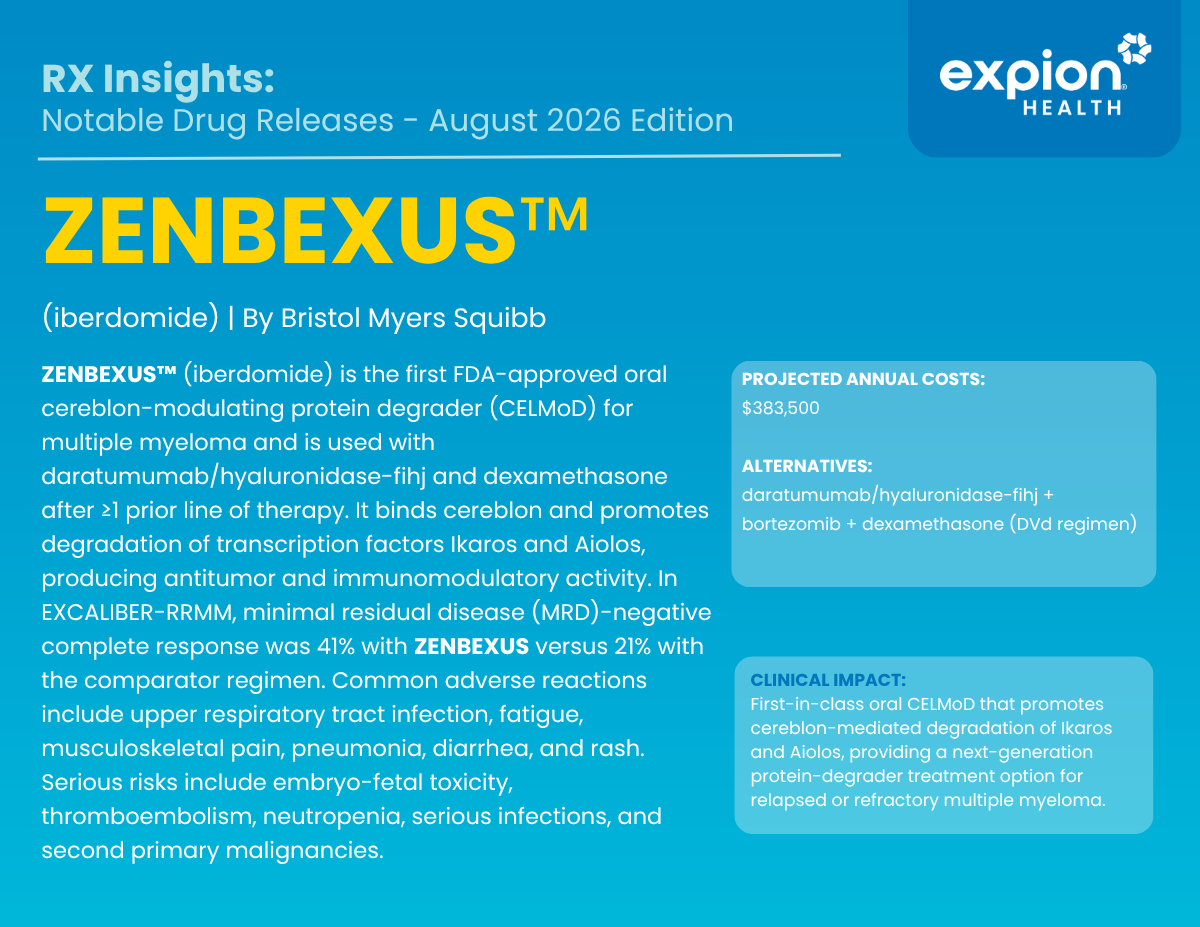
ZENBEXUS is indicated in combination with daratumumab/hyaluronidase-fihj and dexamethasone for the treatment of adults with multiple myeloma who have received at least one prior line of therapy, including a proteasome inhibitor and an immunomodulatory agent.
Dosage and Administration
The recommended dosage of ZENBEXUS is 1 mg by mouth once daily on Days 1 through 21 of each 28-day cycle. It is given in combination with daratumumab/hyaluronidase-fihj and dexamethasone. ZENBEXUS should be taken at approximately the same time each day and may be taken with or without food. Capsules should be swallowed whole with water and should not be opened, broken, or chewed.
Warnings and Precautions
ZENBEXUS carries a boxed warning for embryo-fetal toxicity and serious venous and arterial thromboembolism, including deep vein thrombosis (DVT), pulmonary embolism (PE), myocardial infarction, and stroke. Due to the risk of embryo-fetal toxicity, ZENBEXUS is available only through the ZENBEXUS Risk Evaluation and Mitigation Strategy (REMS) program. Additional warnings and precautions include neutropenia, severe or fatal infections, and second primary malignancies. Antithrombotic prophylaxis is recommended. Common adverse reactions include upper respiratory tract infection, fatigue, musculoskeletal pain, pneumonia, diarrhea, motor dysfunction, rash, sleep disorder, hypogammaglobulinemia, COVID-19, and constipation. Serious adverse reactions occurred in 58.3% of patients, most commonly pneumonia, upper respiratory tract infection, second primary malignancy, neutropenia, febrile neutropenia, COVID-19, and sepsis. The most common Grade 3 or 4 laboratory abnormalities were decreased neutrophil count, decreased white blood cell count, and decreased lymphocyte count.
Mechanism of Action
ZENBEXUS (iberdomide) binds to cereblon, promoting the ubiquitination and proteasomal degradation of the transcription factors Ikaros and Aiolos. Because myeloma cells rely on these proteins for growth and survival, their degradation helps produce antitumor activity, including in cells resistant to lenalidomide and pomalidomide. ZENBEXUS also has immunomodulatory effects that enhance the immune system’s ability to attack myeloma cells.
Disease Background
Multiple myeloma is a blood cancer of plasma cells, a type of white blood cell normally responsible for producing antibodies. In multiple myeloma, abnormal plasma cells accumulate in the bone marrow and can interfere with the production of normal blood cells. Multiple myeloma is highly treatable but is generally not considered curable, and most patients eventually experience relapse after initial therapy. With each subsequent relapse, the disease may become more resistant to treatment and remission periods can become shorter, creating a need for therapies with new mechanisms of action. In the U.S., approximately 36,000 new cases and 10,850 deaths are expected in 2026, and the 5-year relative survival rate is approximately 63.7%.
Clinical Data
ZENBEXUS received accelerated approval based on the Phase 3, two-stage, randomized, multicenter, open-label EXCALIBER-RRMM trial (NCT04975997), which randomized 939 adults with relapsed or refractory multiple myeloma who had received 1 or 2 prior lines of therapy. The major efficacy outcome measure was minimal residual disease (MRD)-negative complete response (CR) at any time. In the primary efficacy population (N=420), ZENBEXUS plus daratumumab/hyaluronidase-fihj and dexamethasone demonstrated an MRD-negative CR rate of 41% (95% CI: 34–48%) compared with 21% (95% CI: 15–27%) with daratumumab/hyaluronidase-fihj, bortezomib, and dexamethasone (P<0.0001). An MRD-negative complete response means that a patient achieved a complete response, and no remaining myeloma cells were detected using highly sensitive testing.
For the teams building pharmacy forward
Get the Expion Health® perspective on the trends, decisions, and market shifts redefining how pharmacy value is created.
Move beyond the pharmacy black box
See how Expion helps organizations build pharmacy strategies with more visibility, flexibility and control from the start.